
Searching Johnson County Civil Dockets
Civil cases from Circuit Court or General Sessions? Start with the Johnson County Online Court Records form. Pick Civil under Case Type first. Then check Circuit Court, General Sessions, or both. Type a full party name, whether plaintiff, defendant, petitioner, or respondent, and submit after the Turnstile step completes. Filter works only on the list you already got back.
Already know a case reference? Use the four-digit filing year plus the last numbers after the final hyphen. Do not run the name and reference routes together. The form opens with every court and case box checked, so narrowing them first cuts the noise.
- Select Civil on the county search.
- Choose Circuit Court, General Sessions, or both.
- Enter a full party name, or the year and numeric case suffix.
- Review the result for the right caption and reference.
- Ask the responsible clerk for a setting or official copy.
Johnson County Civil Search Limits
Checking the Civil box does not sweep in every civil forum. The form offers no Chancery checkbox at all. It also has no fields for cause of action or attorney. Filing-date range, hearing date, amount, status, and courtroom filters are missing too. A blank result deserves a clerk check. Chancery, Probate, Child Support, municipal, federal, and older cases all fall outside it. The official Chancery general-information page lays out that court's separate work.
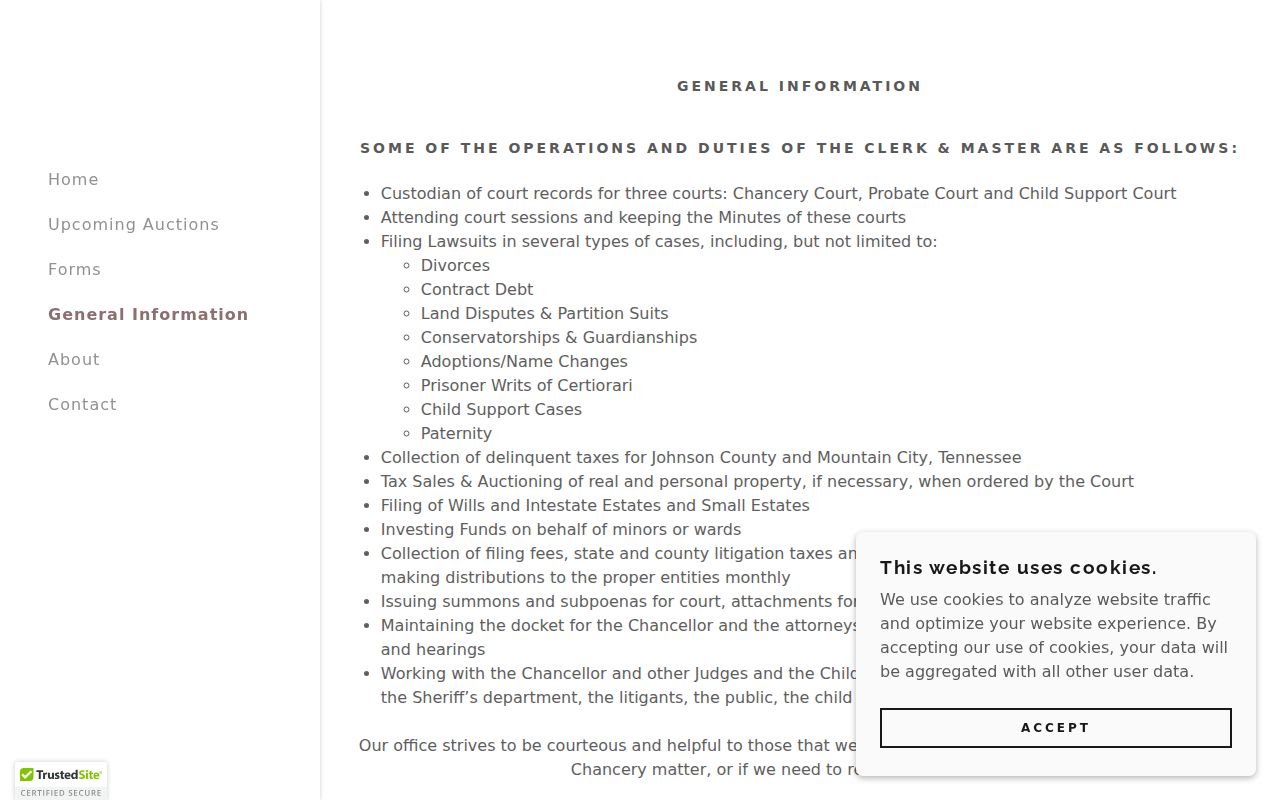
That page shows why a Civil-filter search of the county portal can never stand in for a complete civil index.
Inside a Johnson County Civil Docket
A civil docket tracks procedure, step by step. Entries you might see include a complaint or petition filed, summons issued, service or return, answer, counterclaim, motion, hearing notice, continuance, settlement entry, order, judgment, execution, satisfaction, dismissal, nonsuit, and appeal notice. Treat these as common labels rather than a promise that every public result shows them all.
| Case number | The trial reference; CC-23-CV-57 is an official Johnson civil example, not guaranteed portal syntax. |
|---|---|
| Parties | Plaintiff and defendant, or petitioner and respondent, as the case requires. |
| Filings | Pleadings, returns, notices, and other submitted records. |
| Motions and settings | Requests to the court and scheduled proceedings, where displayed. |
| Orders and judgment | Court action and the recorded resolution, read from the actual record. |
An entry is not a ruling. A motion on the docket has not been granted by that fact alone. A judgment entry may also point to a separate document you need in order to see what relief the court actually ordered.
Johnson County Civil Court Routes
The Circuit Court Clerk keeps records for Circuit Court and General Sessions. Johnson County's own description puts damages matters up to $25,000, detainer summonses, and orders of protection inside that civil work. Detainer summonses and orders of protection belong there too. Confirm jurisdiction with the court for any particular case. Sherrie Fenner serves as Clerk & Master. She holds the Chancery, Probate, and Child Support records and keeps the Chancellor's docket.
The Chancery and Probate site presents that office as its own access point. Equity, estate, and related matters sit outside the portal's Circuit and General Sessions choices.
Civil Case Types on the Docket
Which route fits depends on the claim and the court. The county portal can find Circuit and General Sessions matters, while the Clerk & Master route reaches a broader equity and probate set. And remember that a filing label alone does not guarantee public access to every attachment in the file.
- Damages claims, detainers, and protection orders described by the local Circuit Clerk office.
- Contract and debt disputes or land disputes and partitions handled in Chancery.
- Divorce, child support, paternity, and related family matters, subject to access limits.
- Conservatorships, guardianships, adoptions, and name changes.
- Estates, tax sales, delinquent property taxes, and prisoner writs.
Adoption and protected family material can stay confidential even where a docket exists. Ask the clerk what proof of authority is required.
Johnson County Civil Case Numbers
One official appellate opinion from Johnson County cites trial number CC-23-CV-57. That reference works as an example of a Johnson trial number, nothing more. Portal numbers do not all follow one pattern. The opinion carries its own appellate number too. When a case reaches the Tennessee Court of Appeals, keep both, because the trial clerk and the appellate clerk search different records. The AOC Case History overview describes the appellate-only scope.
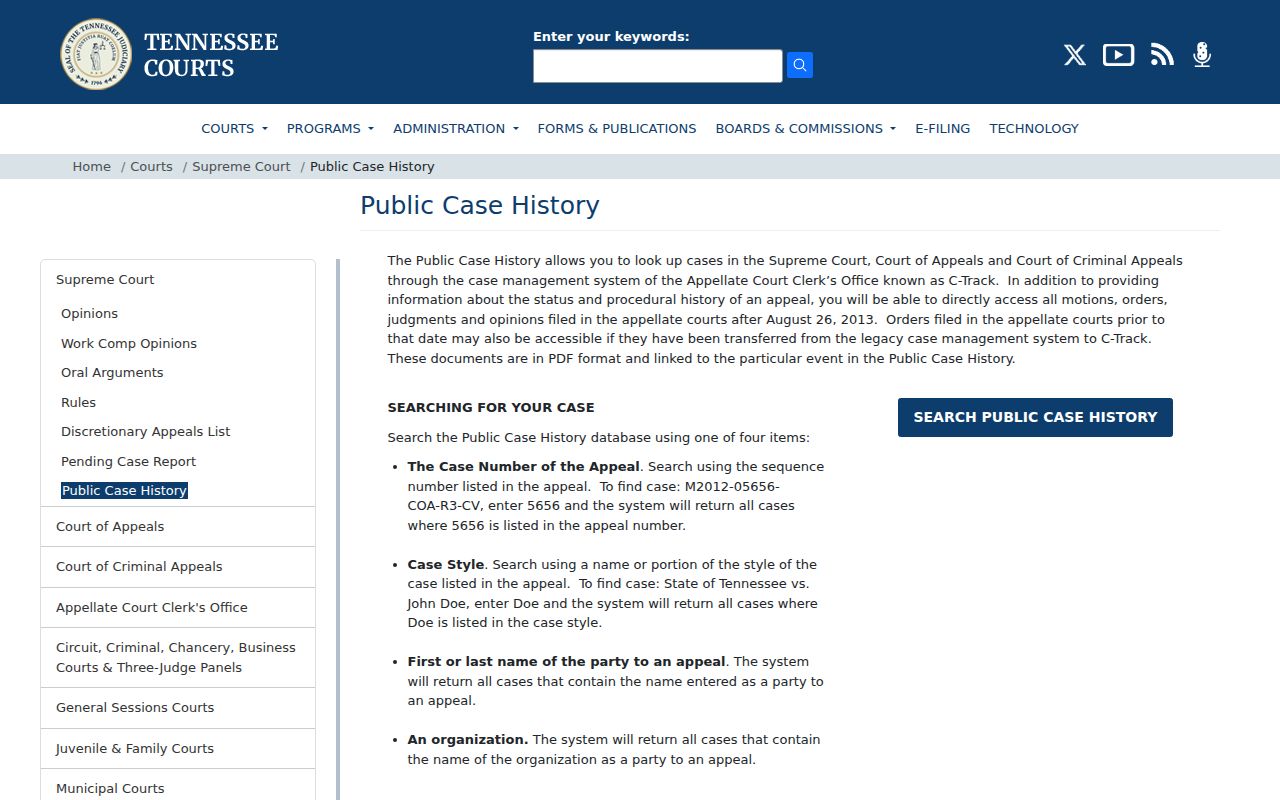
Search the Johnson portal for the trial index, and turn to Public Case History only after an appeal is identified.
Civil Docket Settings and Hearings
The county form has no hearing-date search. Under First Judicial District rules, clerks preset nonjury cases. Jury cases get their dates at docket soundings held once every four months. The Chancellor sets Chancery times and places on a four-month schedule. A sounding is just a scheduling call. It is not necessarily the trial itself.
Ask the right clerk for the date, time, courtroom, judge, setting type, and any reset. A notice or the last portal event can go stale after a continuance. The full Johnson County court dates workflow helps here. It separates a setting from a final trial date.
Johnson County Civil Clerk Access
Find the Clerk & Master at 222 West Main Street, Mountain City, TN 37683. Mail goes to PO Box 196, Mountain City, TN 37683. The published phone is 423-727-7853. Fax is 423-727-7012. Hours run Monday through Friday, 8:30 a.m. to 5:00 p.m. The office posts no public Chancery name-search interface. Request a case lookup, inspection, or copy directly. The official contact page gives the local route.
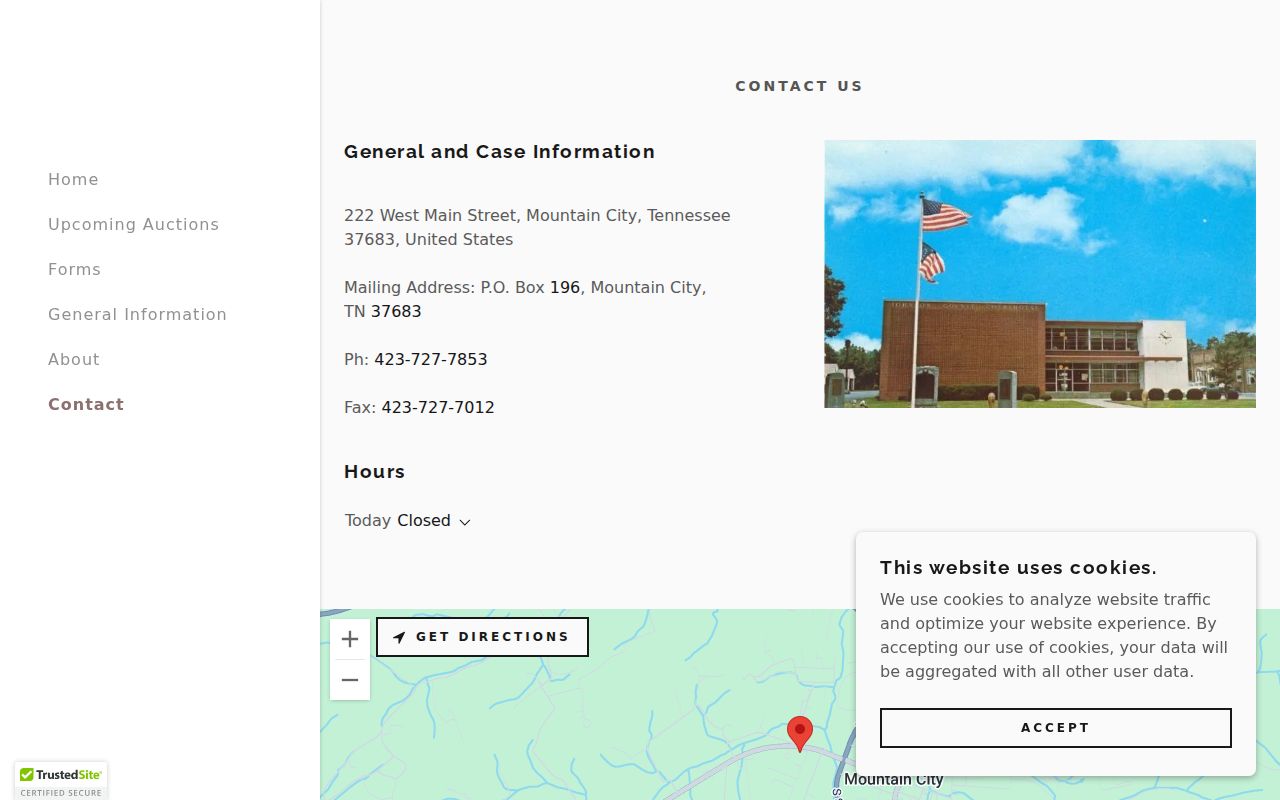
Give the court, party names, case number, filing or event date, and whether you want plain or certified copies.
Johnson County Clerk & Master
222 West Main Street
PO Box 196
Mountain City, TN 37683
Phone: 423-727-7853
Hours: Monday-Friday, 8:30 a.m.-5:00 p.m.
Civil Docket Access Rules
Tennessee Supreme Court Rule 34 opens most court records to public inspection. The Tennessee Public Records Act, other statutes, and court orders set the limits. Protective orders, sealed filings, adoption records, protected family material, and personal identifiers can all restrict what a Johnson County civil docket shows. One more caution. A public index entry does not put every attachment on display. It is no substitute for a certified judgment. The Tennessee Courts public resources page routes visitors toward state court information and explains what the official branches publish.
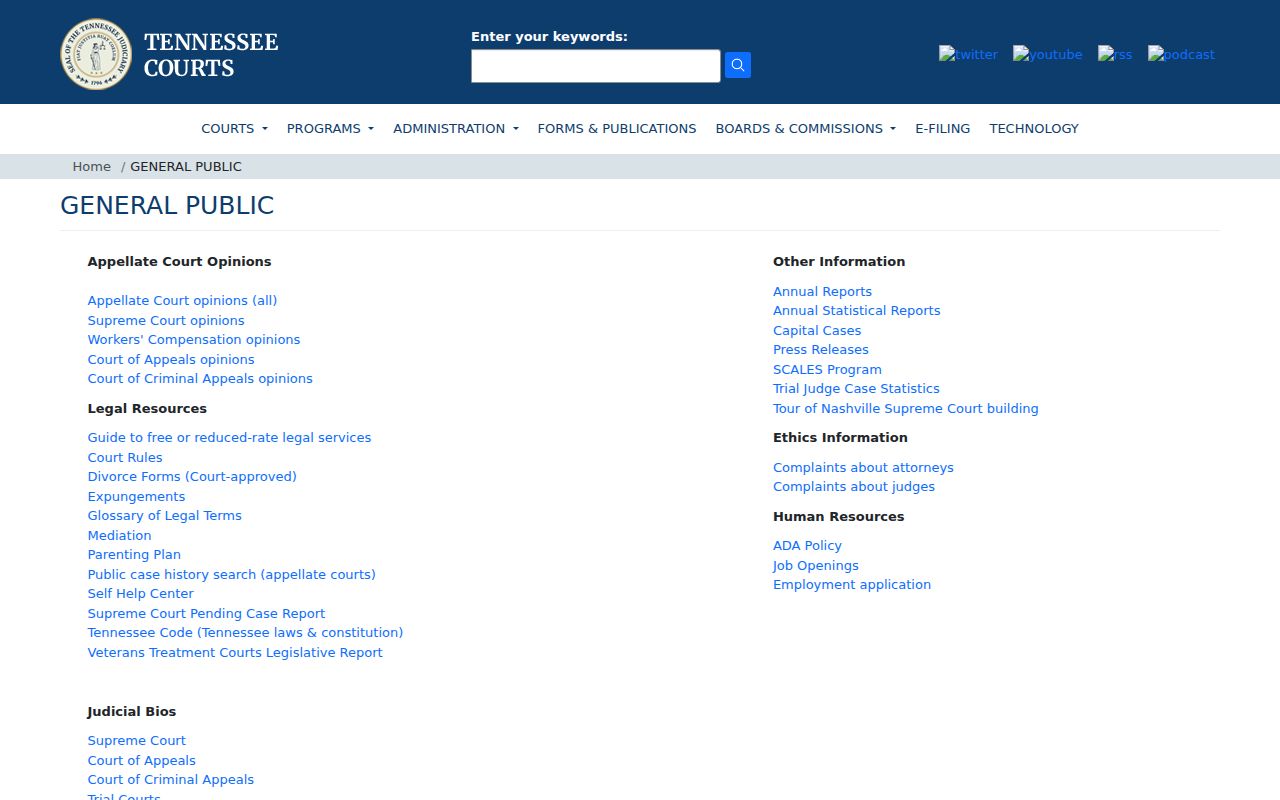
In Johnson County, any civil docket search starts with the clerk of the court that holds the actual case file.
Public access: Tennessee Supreme Court Rule 34 governs court records and recognized exceptions.
The county TPRA policy covers county-held records, but does not replace the court clerk's case-record process.
Certified Johnson County Civil Records
Finding the case is only step one. Pulling the actual file is another matter. The portal's own terms say its data is not the official Clerk record. No public document-image viewer sits on the portal. So know what you need before you call. That could be a complaint, a return, a minute entry, an order, a judgment, a decree, an execution record, a satisfaction, or a certified copy. Give the clerk the case number and the event date, and the request moves faster.
For the statewide view, the Tennessee Courts home page connects you to the state's judicial branch. Its offerings reach beyond any one county.
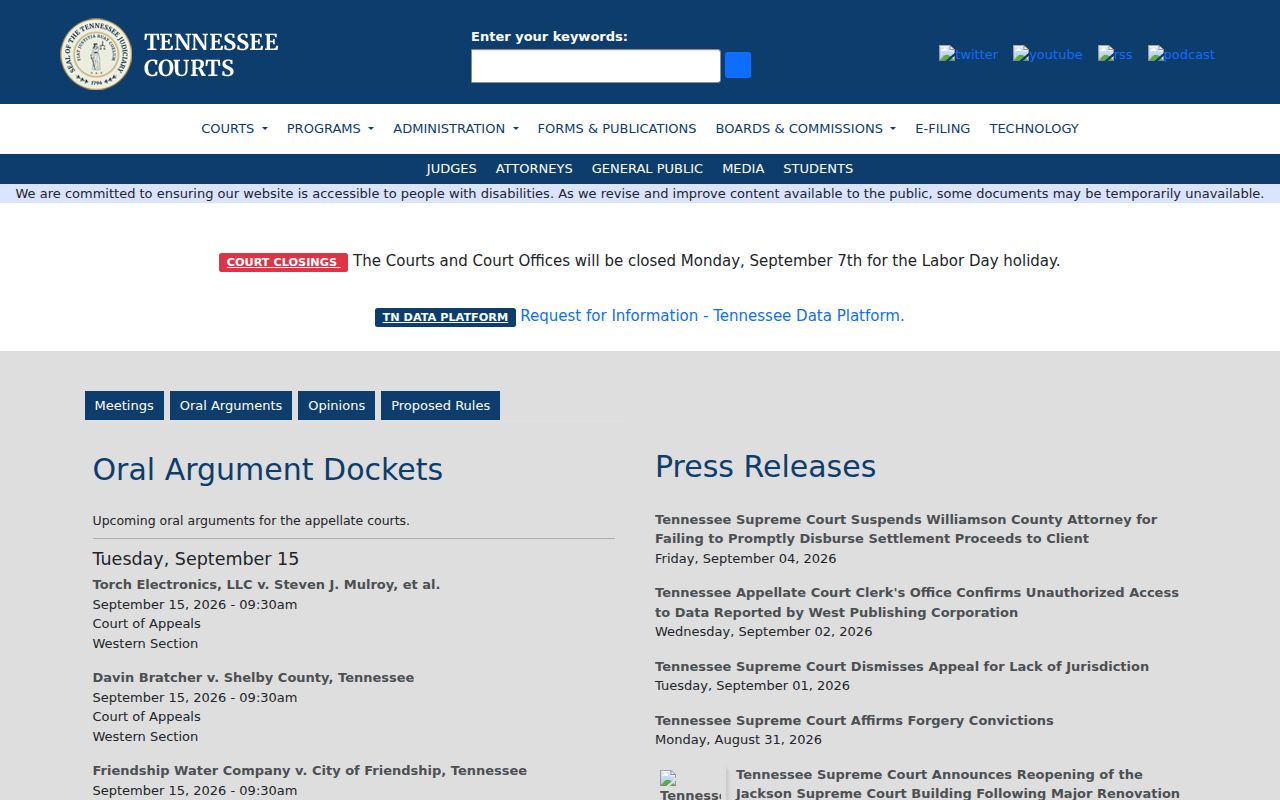
State tools give context. Certification still has to come from the office that keeps the Johnson County record.
No local trial-copy fee schedule is posted, so ask before you order. Get the page count and the certification charge. Ask about any postage, any retrieval charge, and the accepted payment method. Appellate fee examples do not apply to Johnson trial records. Leave them out of your math.
A strong request names the court, the case number, the caption, the document or event, the filing date, and the format you want. Requesting a judgment or decree? Ask whether execution or satisfaction activity sits in a related docket. The Circuit Court Clerk keeps rule-docket and execution-docket records. Those can hold steps a short online history misses. Chancery decrees, estate papers, and probate appointments go to the Clerk & Master instead.
Looking is one thing; copying is another. Tennessee's access framework may allow inspection while charging extra steps and payment for copies. Confidential matter can be redacted. Protected documents may stay closed even when a public case entry exists. Clerk staff will explain the process and identify the record. The Chancery office warns that staff cannot give legal advice. Nor can they promise that a prepared filing is legally sufficient.